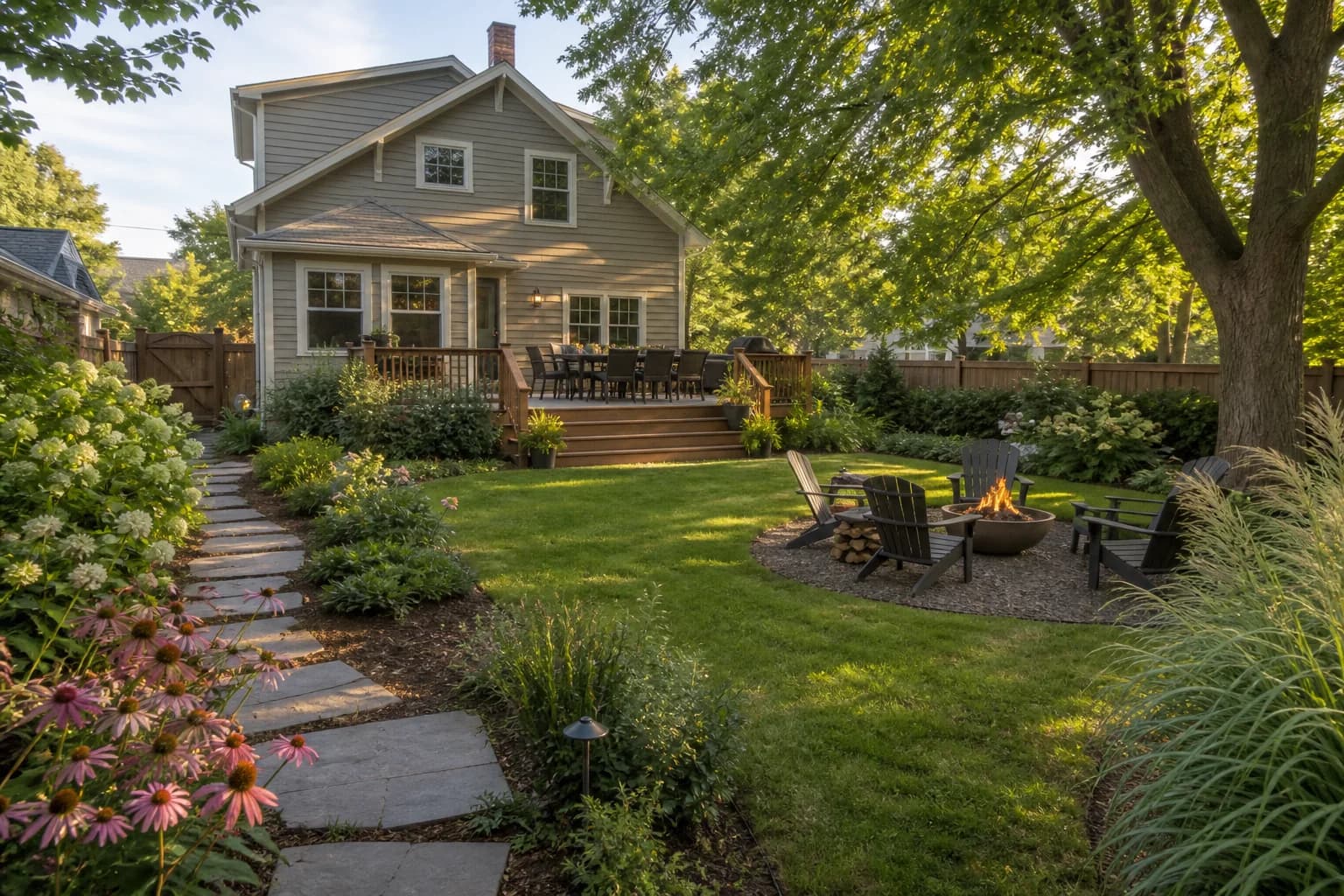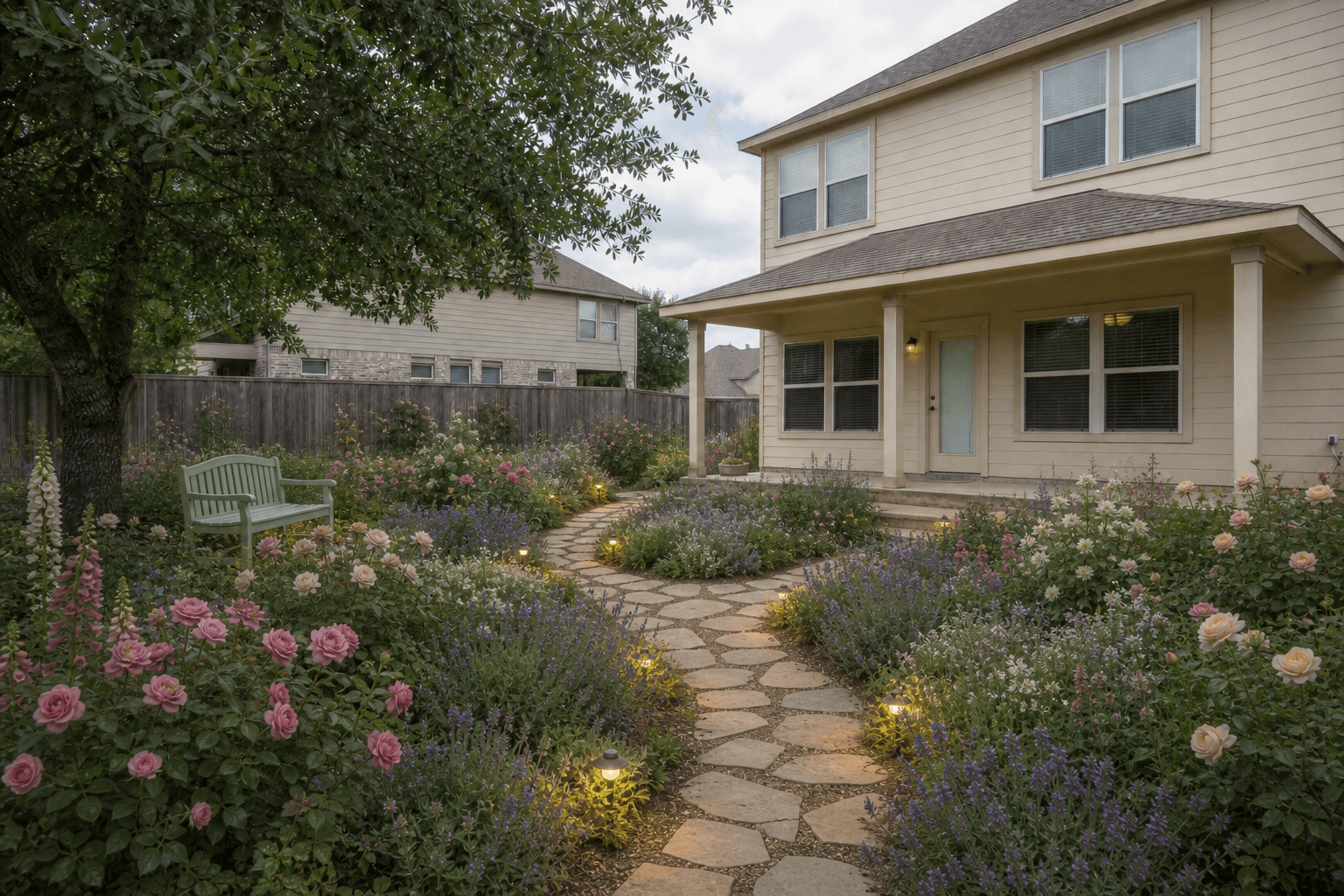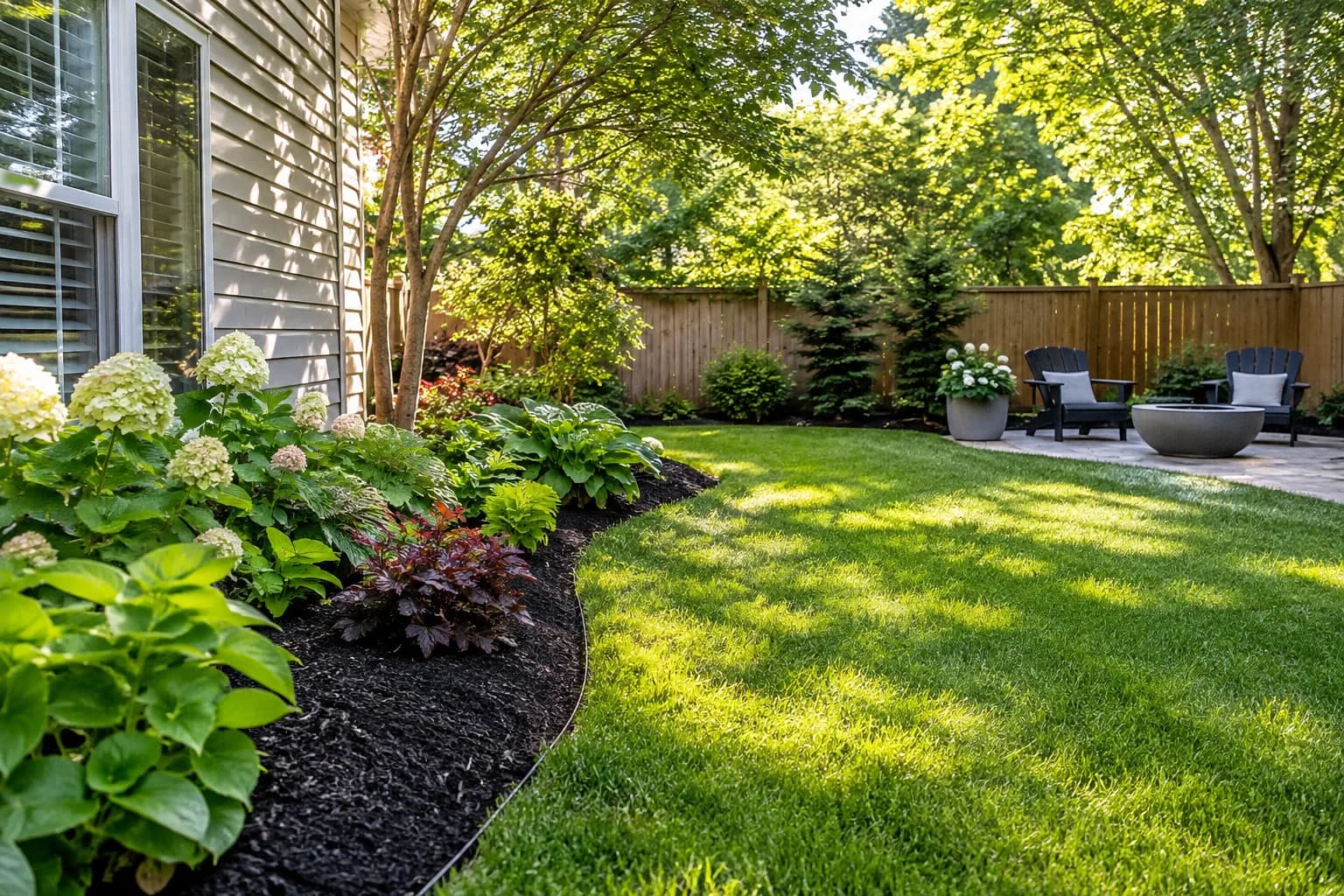
Inexpensive backyard makeovers in competitor content often mix case studies and shopping lists. Homeowners actually need a sequence: what to keep, what to cut, and which one upgrade will photograph as a full redesign.
This guide keeps a numbered idea list, but every idea is a budget lever with a site check—so money goes to edges, water, paths, and one hero zone instead of random decor.
Key takeaways
- Edit and edge before you buy plants or furniture.
- Spend density in one high-visibility bed, not thin coverage everywhere.
- Fix water and the real path before decorative shopping.
- Use GardenGPT to compare three low-cost directions on the same photos.
Spend first where the camera and feet go
If a task does not improve arrival, edges, water, or the main outdoor room, it can wait.
| Budget symptom | Best cheap move | Avoid |
|---|---|---|
| Yard looks messy despite plants | Keep/cut list + one continuous edge | Buying more singles everywhere |
| Bare soil and weeds | Bulk mulch one color, correct depth | Thin decorative bag mix |
| Nowhere feels like a room | Regroup seating + one hero bed | Scattered furniture and pots |
| Muddy desire line | Reinforce the real path first | Decorative route nobody uses |
Use GardenGPT to prioritize spend, not to price contractors
GardenGPT can compare low-cost visual directions on 1–4 photos and help you see which edits read as a full makeover. It cannot guarantee material prices, contractor bids, structural safety, drainage capacity, or permit outcomes.
12 inexpensive backyard makeover ideas
Treat each idea as a spend lever. Finish one lever completely before opening the next.
1. Start with a ruthless keep-and-cut list
Walk the yard once for what already works—paths, trees, screens, drainage—and once for what only adds cost: failed plants, unused furniture, broken edges. Budget makeovers succeed by editing before shopping.
2. Reclaim edges with a single crisp boundary
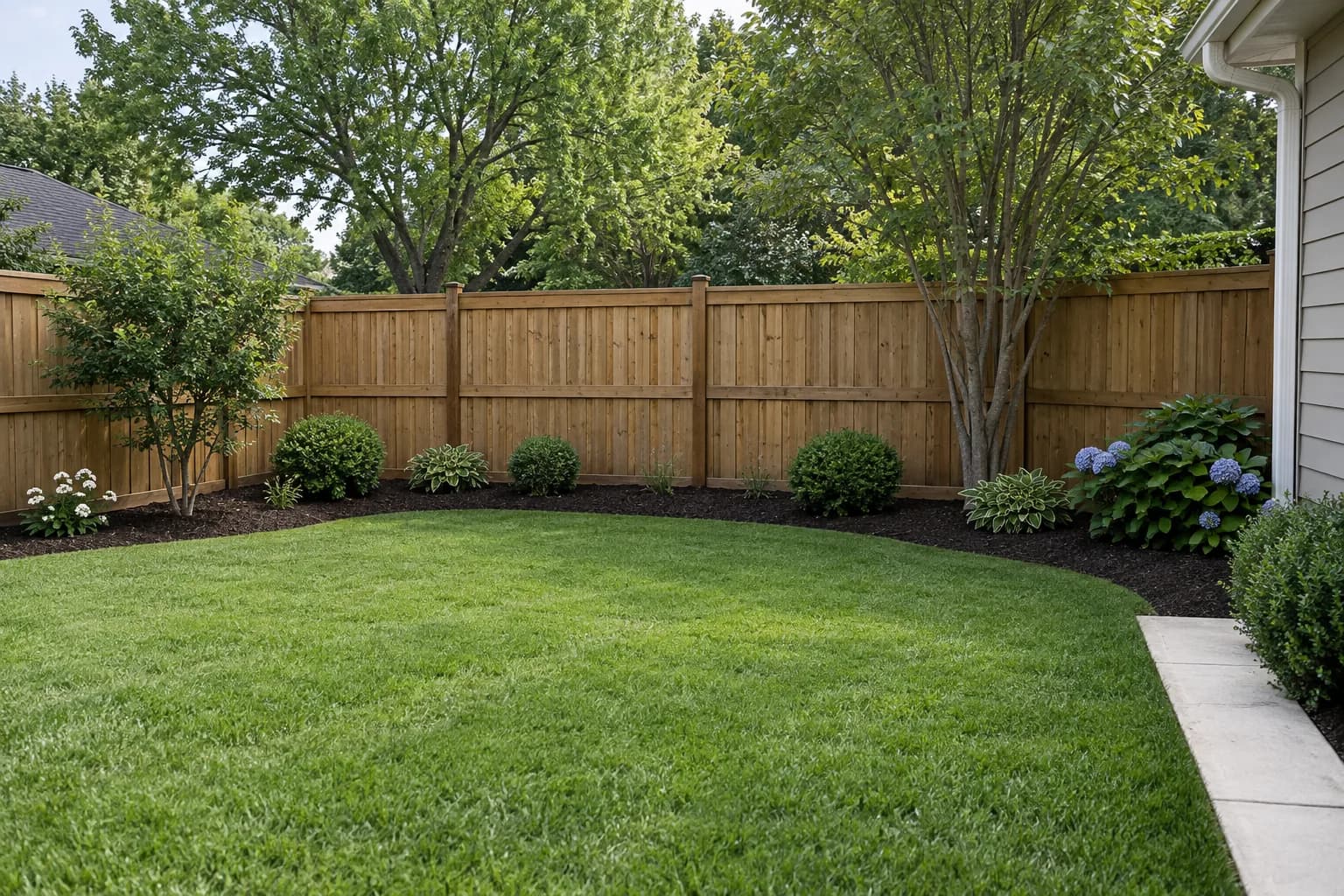
A clean spade edge, steel restraint, or repeated brick soldier course often transforms a tired lawn more than new plants. One continuous line is cheaper to maintain than many small beds.
3. Mulch deep, once, with a consistent color
A uniform mulch layer hides bare soil, reduces weeds, and makes leftover plants look intentional. Buying one bulk color is almost always cheaper and cleaner than mixed decorative bags.
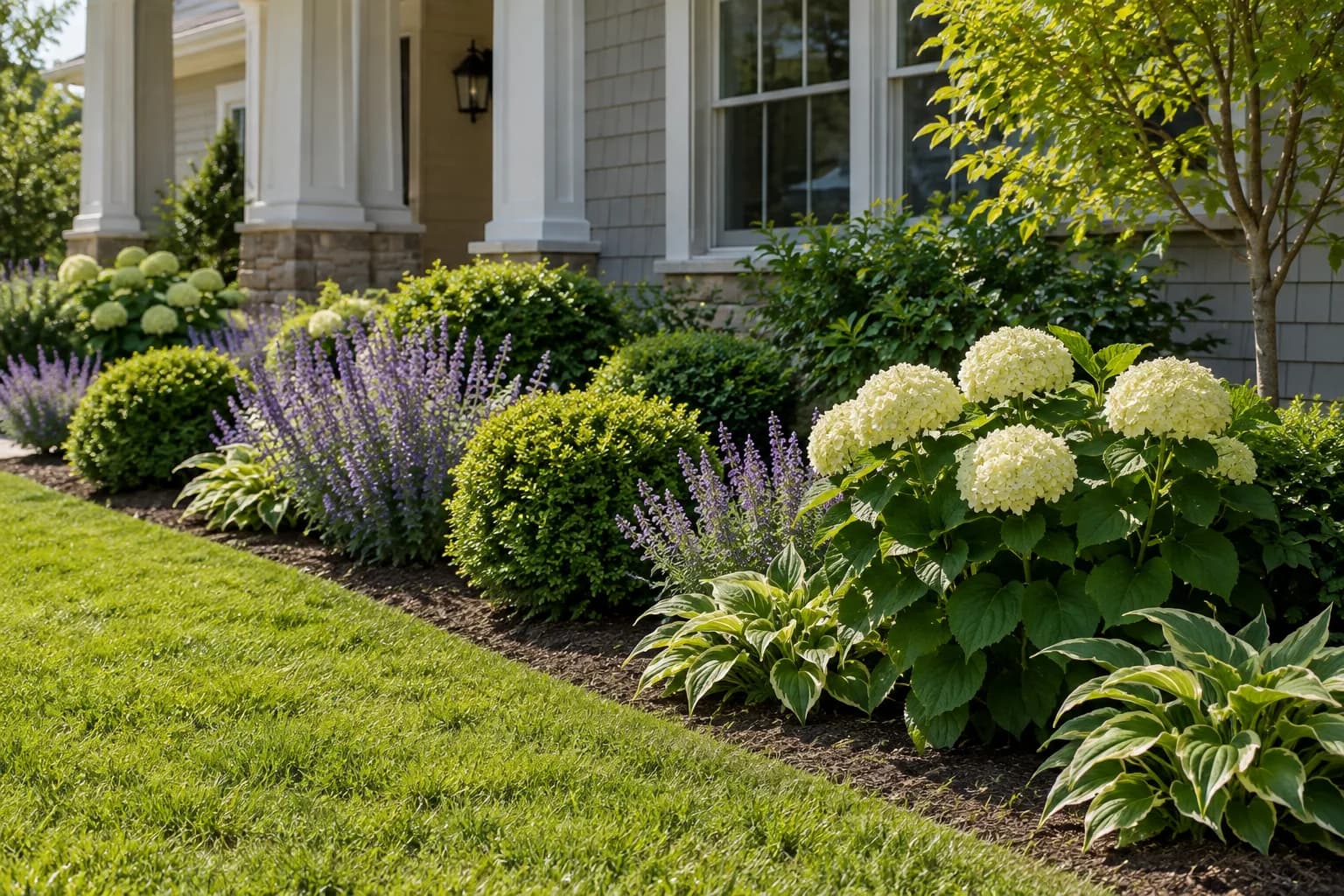
4. Paint, stain, or clean vertical surfaces first
Fence panels, porch posts, planters, and even a dull retaining face often deliver the biggest before/after per dollar. Fresh verticals make ordinary planting look new.
5. Concentrate new plants in one high-visibility bed
One deep, repeated planting near the entry or patio reads richer than thin rings of singles around the whole yard. Density in the right place beats sparse coverage everywhere.
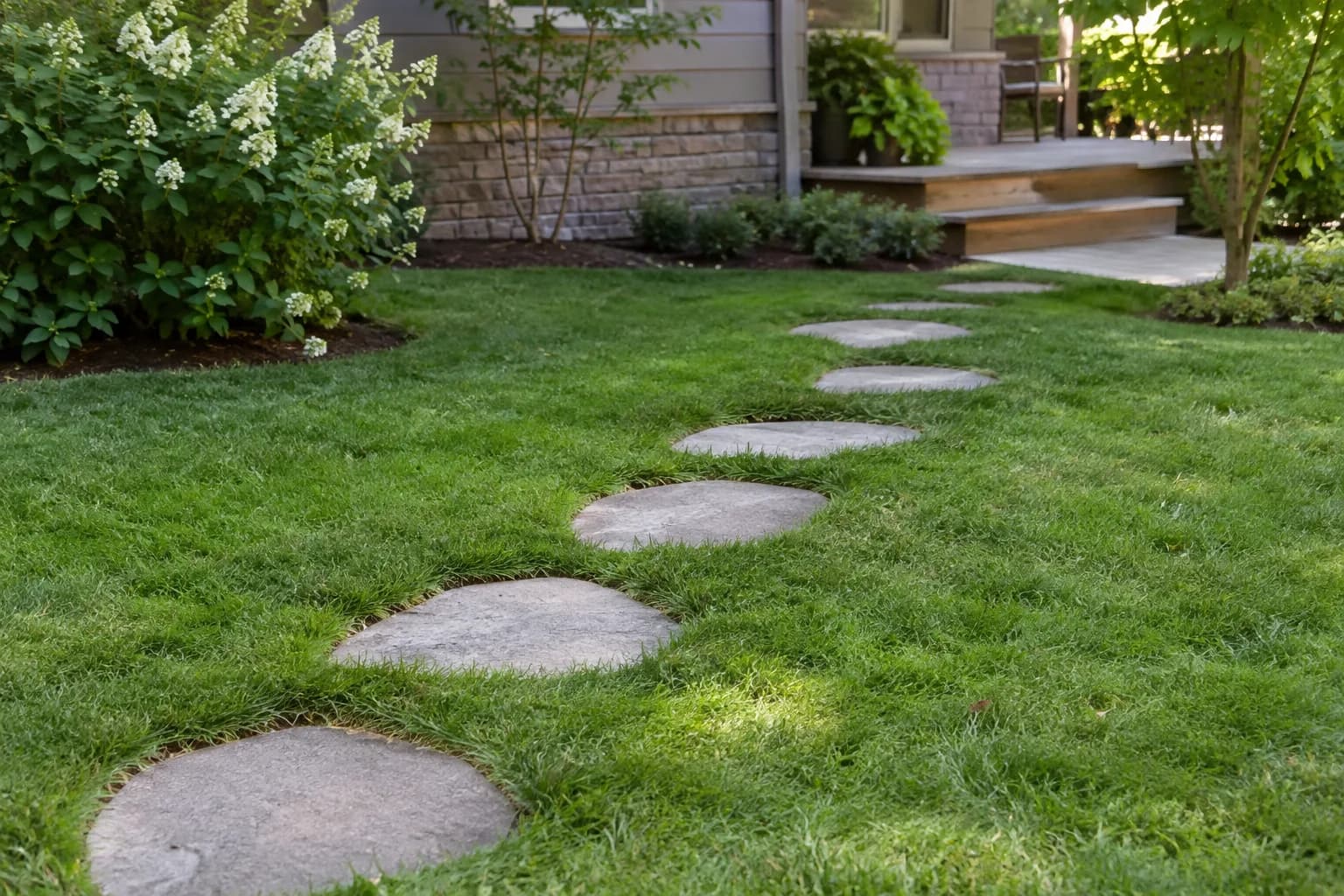
6. Borrow furniture and pots you already own
Move one solid seating pair into the best microclimate, retire broken pieces, and regroup pots into odd-number clusters. Rearrangement is free and often solves an empty yard better than new shopping.
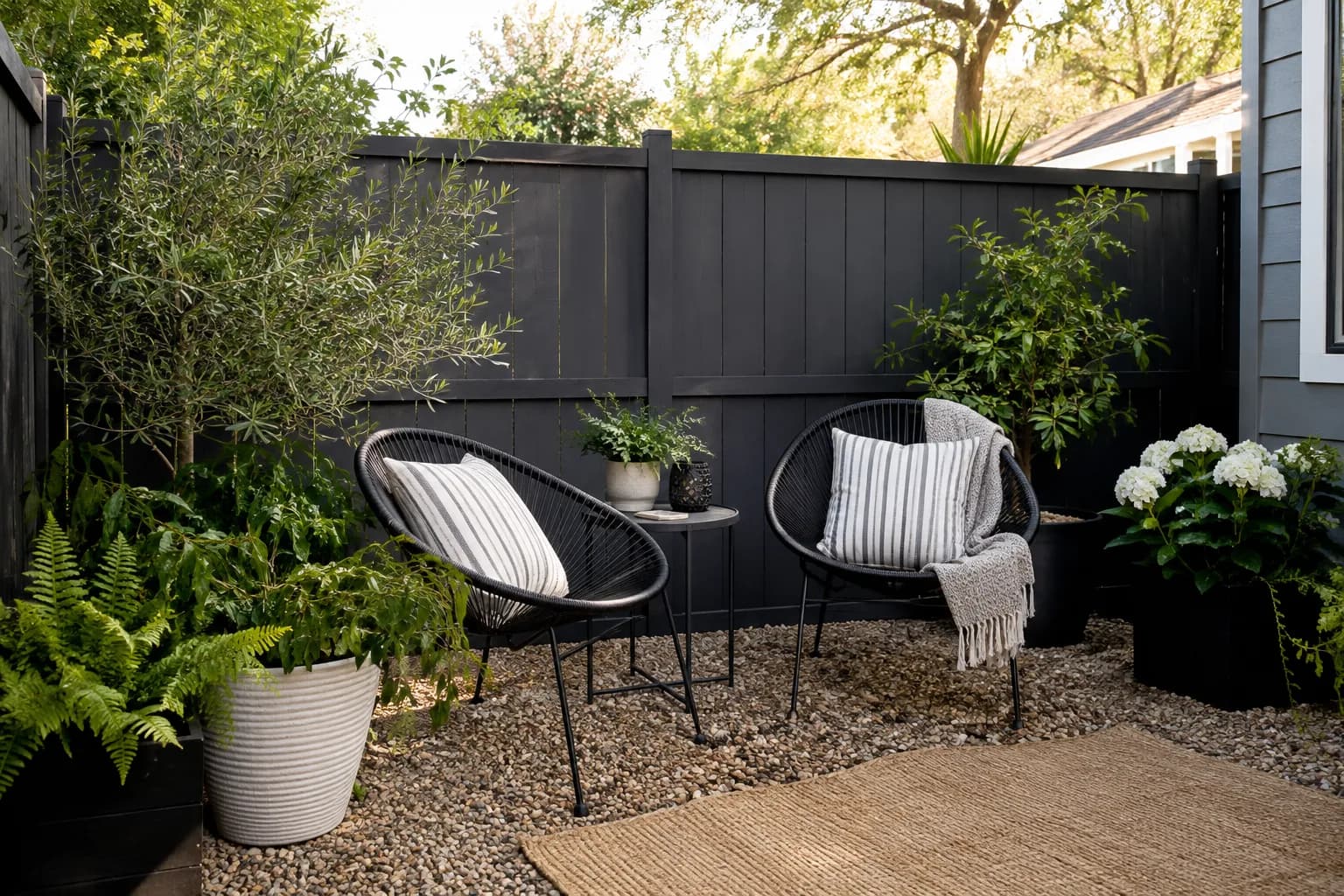
7. Fix the path people already use
Desire lines in the lawn tell you where to place stepping pads, mulch, or gravel first. Reinforcing real circulation prevents mud and worn grass better than inventing a decorative route nobody walks.
8. Solve one water problem before buying plants
Reattach a downspout, extend a splash block, clear a clogged grate, or regrade a small puddle zone. Dry, usable ground multiplies every later dollar spent on plants and furniture.
9. Add night usability with three cheap light points
A shielded door light, one path marker, and a soft seating glow cost far less than full landscape lighting yet change how long the yard is used. Aim for safety and hierarchy, not runway sparkle.
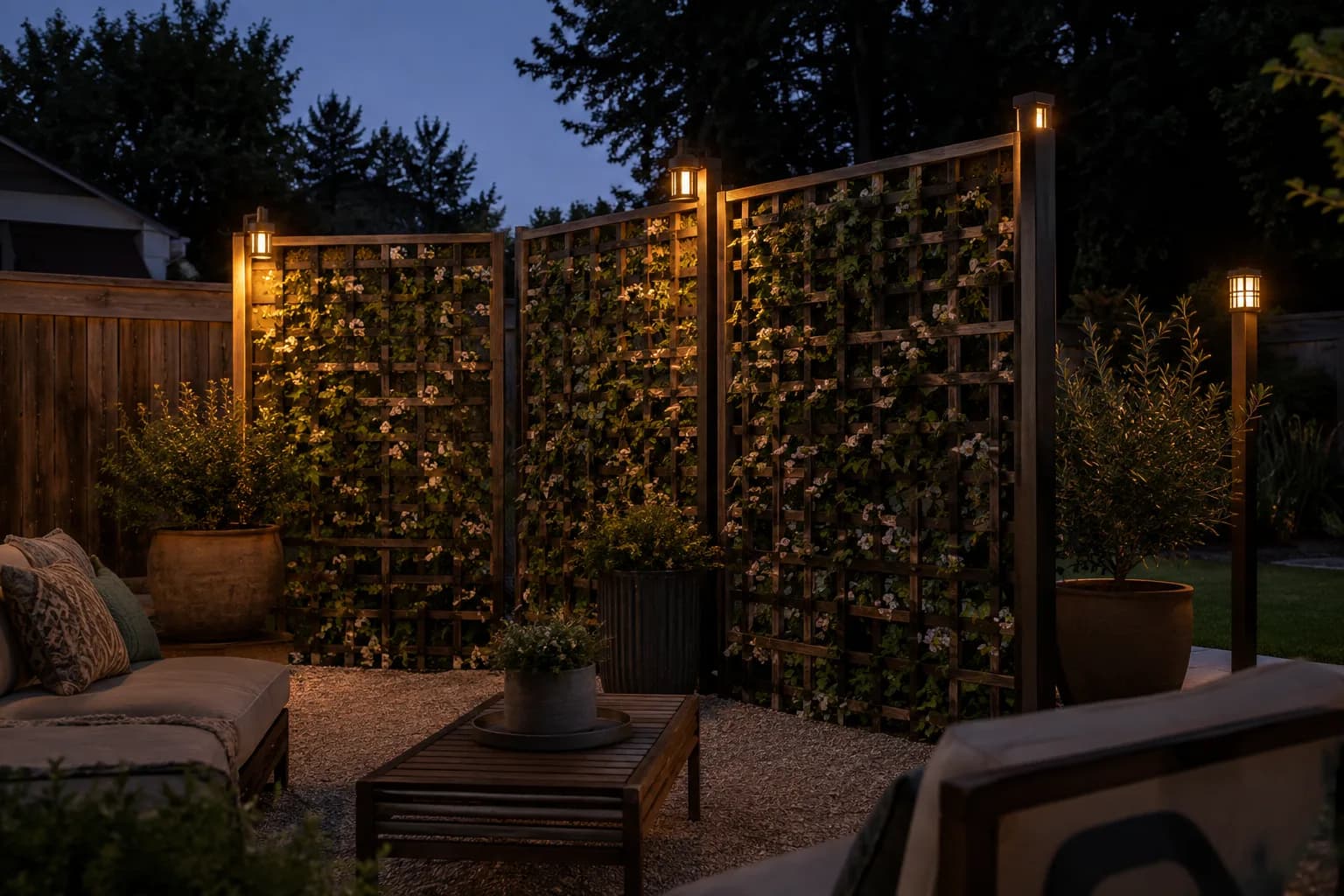
10. Create privacy with temporary screens first
Outdoor curtains, freestanding trellis panels, tall container rows, or reed screens can test sightline fixes before you pay for permanent fencing. Temporary layers reveal which views actually matter.
11. Phase the project into weekend-sized wins
Sequence work as: edit clutter, edges and mulch, path fix, one hero bed, seating, then light. Each phase should leave the yard usable Monday morning so motivation survives.
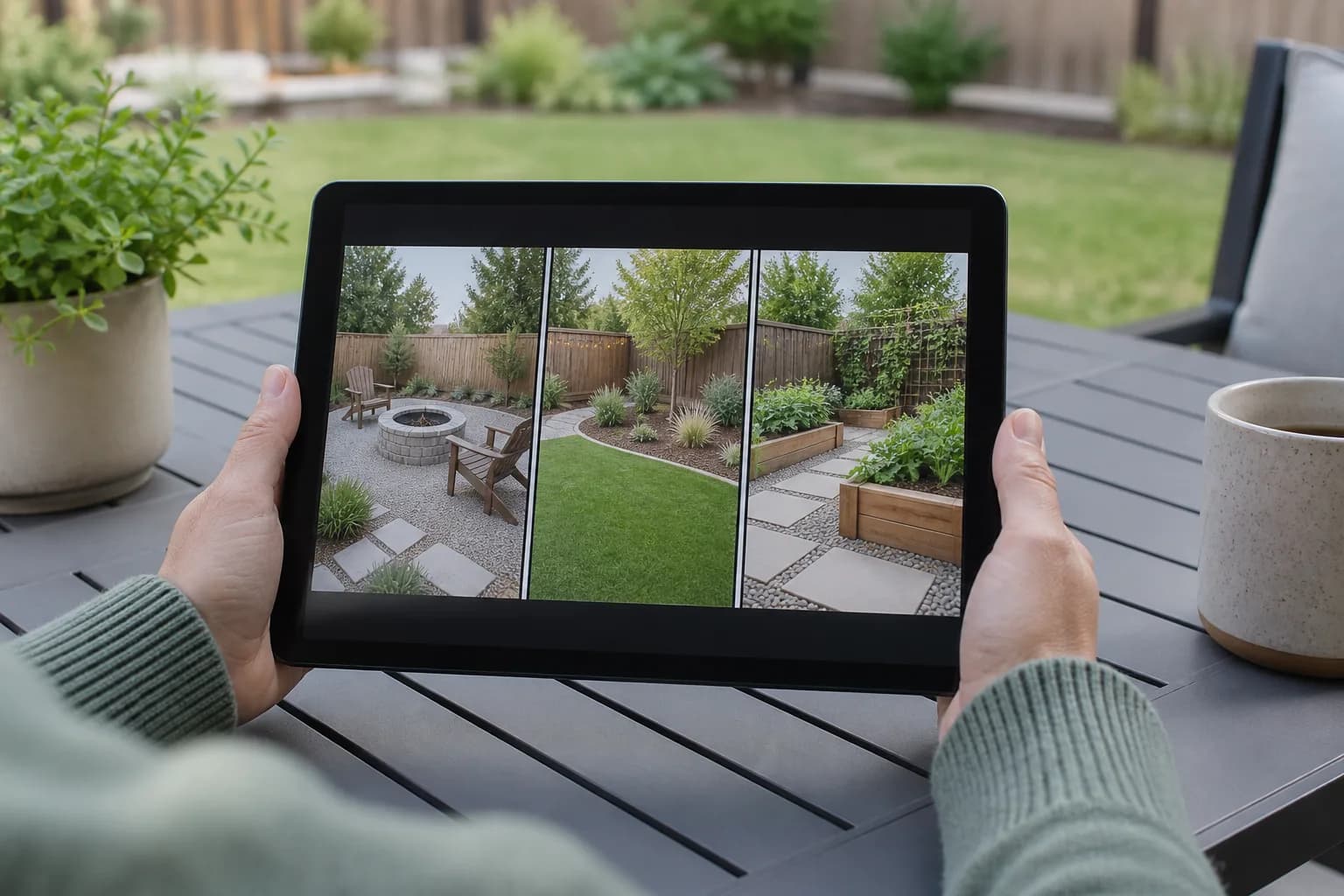
12. Compare three photo directions before any big buy
Upload the same yard photos and test a minimal edit, a planting-forward option, and a hardscape-light option. Seeing hierarchy on your real site prevents buying materials that fight the space.
A weekend-phased makeover workflow
Leave the yard usable after every session and protect motivation with visible wins.
- Photograph the full yard, then write a keep list and a cut list in one pass.
- Fix edges, mulch, and the real path before any decorative purchase.
- Solve one water annoyance and one privacy or seating friction next.
- Compare three photo directions and choose one hero bed plus lighting hierarchy.
- Phase remaining work into weekends; verify plants, paint products, and any structural or electrical tasks locally.
Sources reviewed
Reviewed September 13, 2026. Source names are plain text; local prices, HOA rules, and safety codes take priority over generic budget lists.
- University extension DIY landscape renovation and mulching guidance
- Cooperative extension publications on plant selection and establishment watering
- United States Environmental Protection Agency WaterSense outdoor water-efficiency guidance
- Consumer product safety and exterior coating lead-paint awareness materials
- Local municipal stormwater and fence-height public guidance
- Extension home landscape budgeting and phased project publications
Frequently asked questions
What is the cheapest backyard makeover that still looks good?
Editing clutter, cutting a continuous edge, bulk mulch, and fixing the real path usually beat buying scattered decor.
Should I buy plants or hardscape first on a budget?
After edges and water, put density into one hero planting bed before large hardscape. Hardscape is harder to reverse if the layout is wrong.
How do I make a small budget look expensive?
Repetition, one strong vertical refresh, consistent mulch color, and clear hierarchy beat mixed one-off bargains.
Can I renovate a backyard in weekends only?
Yes if each weekend leaves the yard usable and you avoid opening multiple unfinished trenches.
Where do budget makeovers usually waste money?
Thin plant rings everywhere, decorative routes nobody walks, and cosmetic gravel over unresolved drainage.
Can GardenGPT plan my inexpensive makeover?
It can compare photo-based directions and help prioritize visible edits. Prices, permits, structure, and drainage still need local checks.
An inexpensive backyard makeover looks designed when you sequence edits, edges, water, one hero bed, and light—then stop shopping against that plan. Compare directions on photos first so every dollar reinforces the same hierarchy.