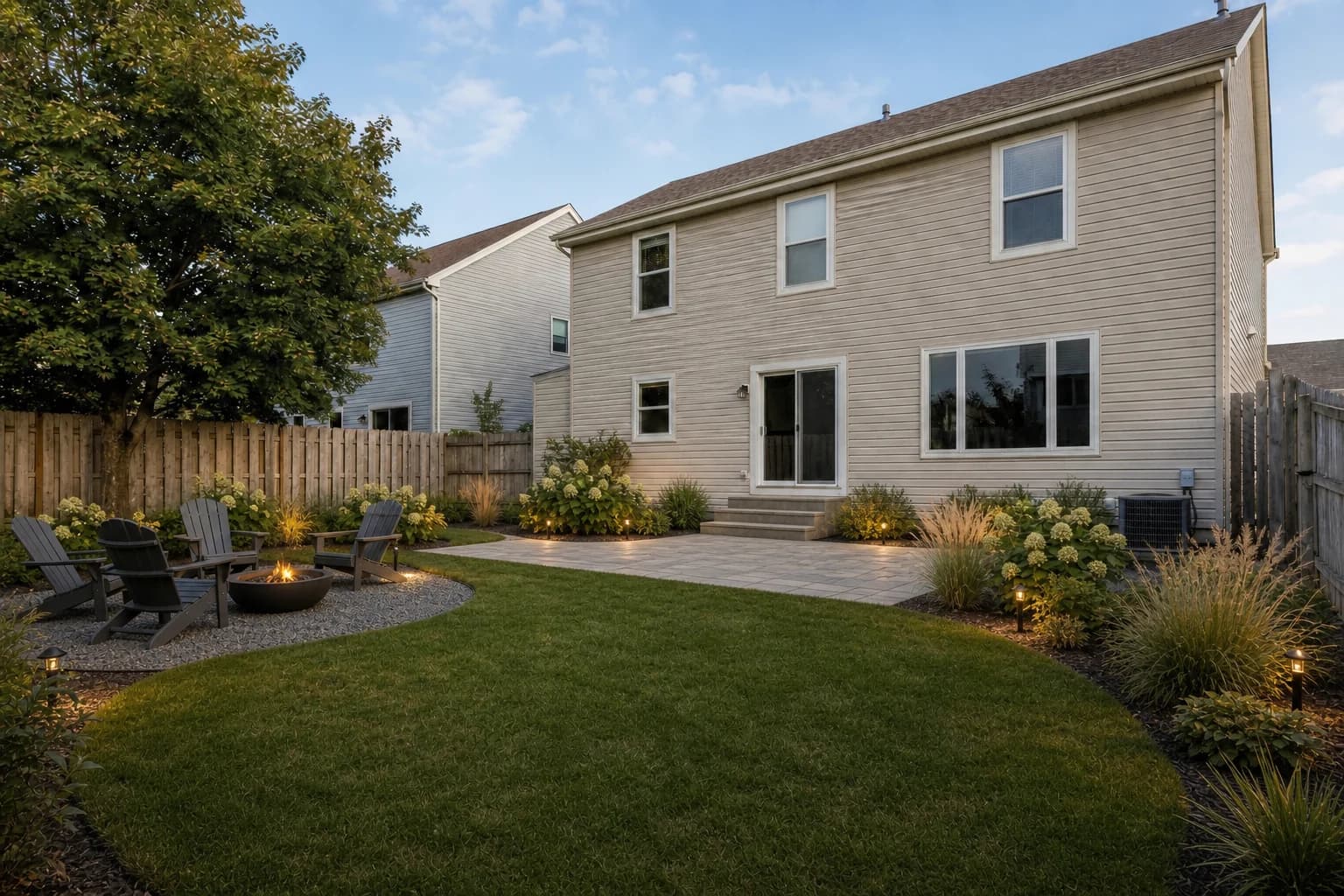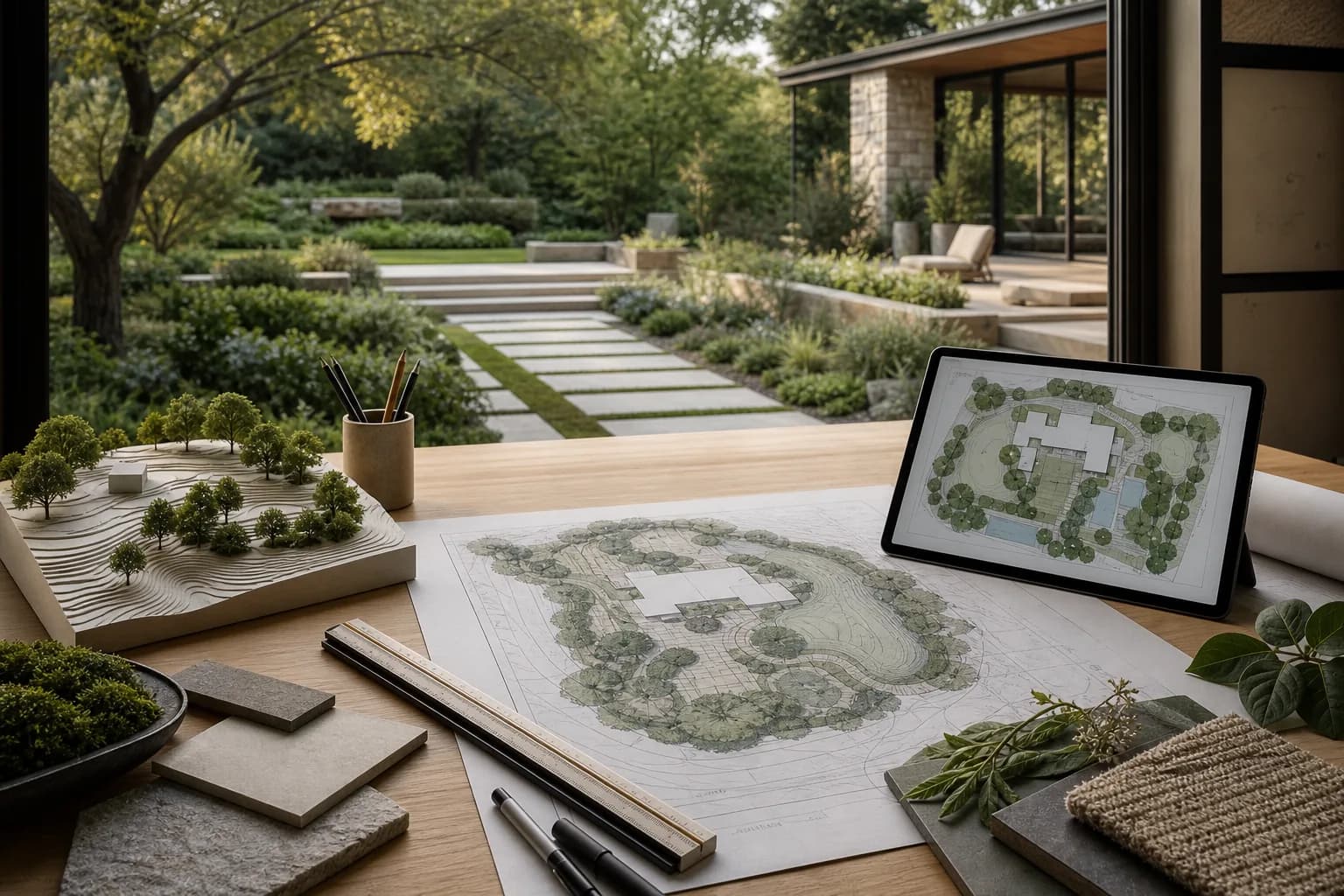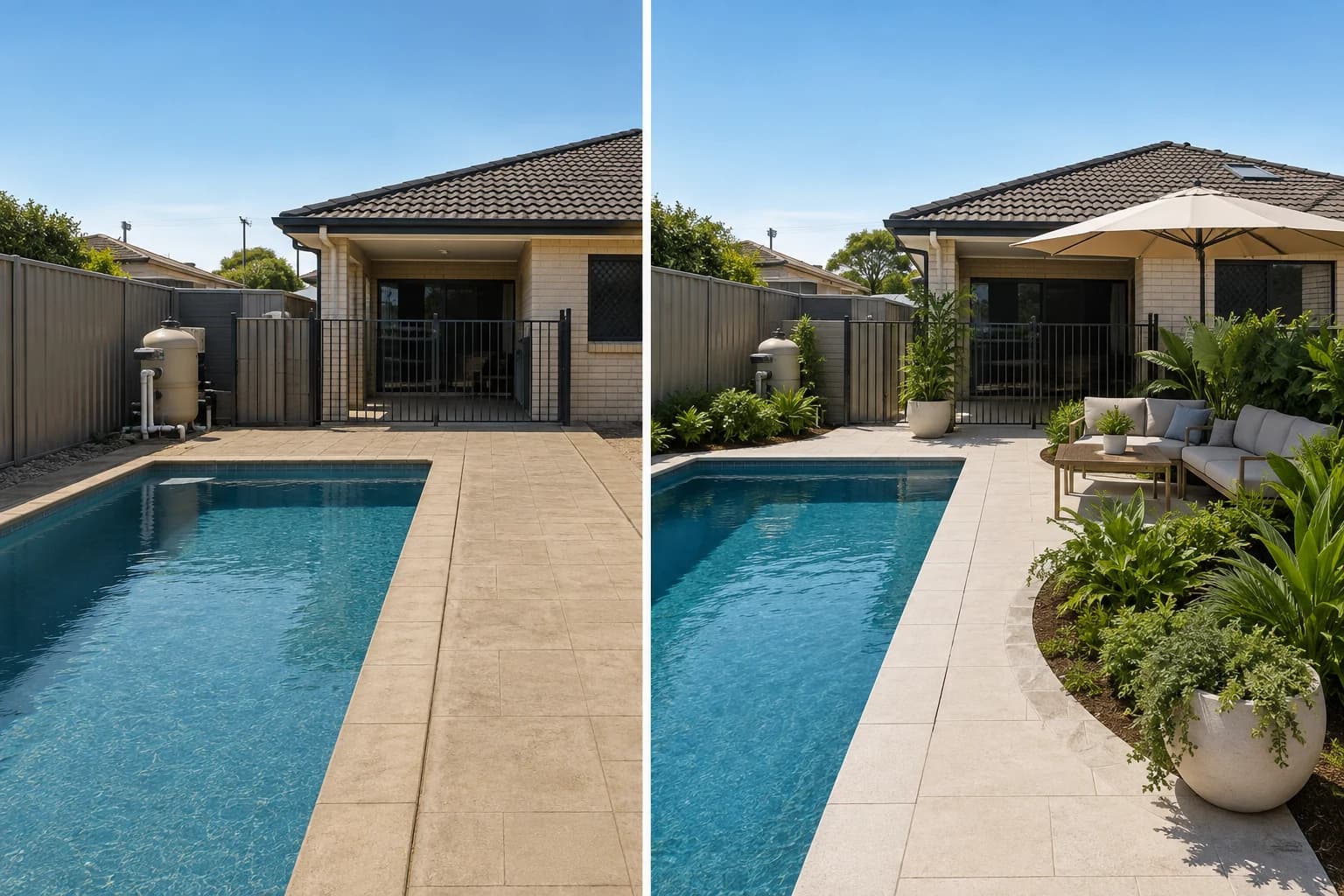
Yardzen solves a service problem: many homeowners want a coherent plan without learning design software or coordinating every decision themselves.
The right alternative depends on what you are giving up or gaining: human judgment, speed, iteration, a measured deliverable, or the ability to make every small choice yourself.
Publisher disclosure
Quick answer
Keep Yardzen when you want a designer-led package, human feedback, and a path toward a buildable handoff. Choose GardenGPT for low-commitment photo direction first, Neighborbrite or OutdoorBrite for self-serve concepts, Planner 5D for hands-on layout, and a local designer when site complexity or local responsibility matters.
Alternatives at a glance
Choose by the next decision you need to make, not by the longest feature list.
| Option | Best for | Working style | Main boundary |
|---|---|---|---|
| GardenGPT | Fast visual directions on a real photo | Upload photos and generate concepts | Not a measured or construction plan |
| Neighborbrite | Fast visual directions on a real photo | Upload photos and generate concepts | Not a measured or construction plan |
| OutdoorBrite | Fast visual directions on a real photo | Upload photos and generate concepts | Not a measured or construction plan |
| Planner 5D | Editable 2D/3D layout | Build dimensions and place objects | Site facts still require verification |
| A local landscape designer | A designer-led package | Brief, feedback, and delivered plan | Higher commitment and slower turnaround |
What the original product does well
- A human designer translates a brief into a coherent package.
- The service can reduce the homeowner's coordination and selection burden.
- Higher-touch packages may include more than a single concept image.
Why homeowners compare alternatives
- The project is still at the exploration stage and a full package feels premature.
- You want to iterate many small visual choices before asking a person to document one.
- You need a lower-cost way to brief a local professional with clearer preferences.
The alternatives, one by one
Each option below represents a different level of speed, control, technical depth, or human support.
1. GardenGPT
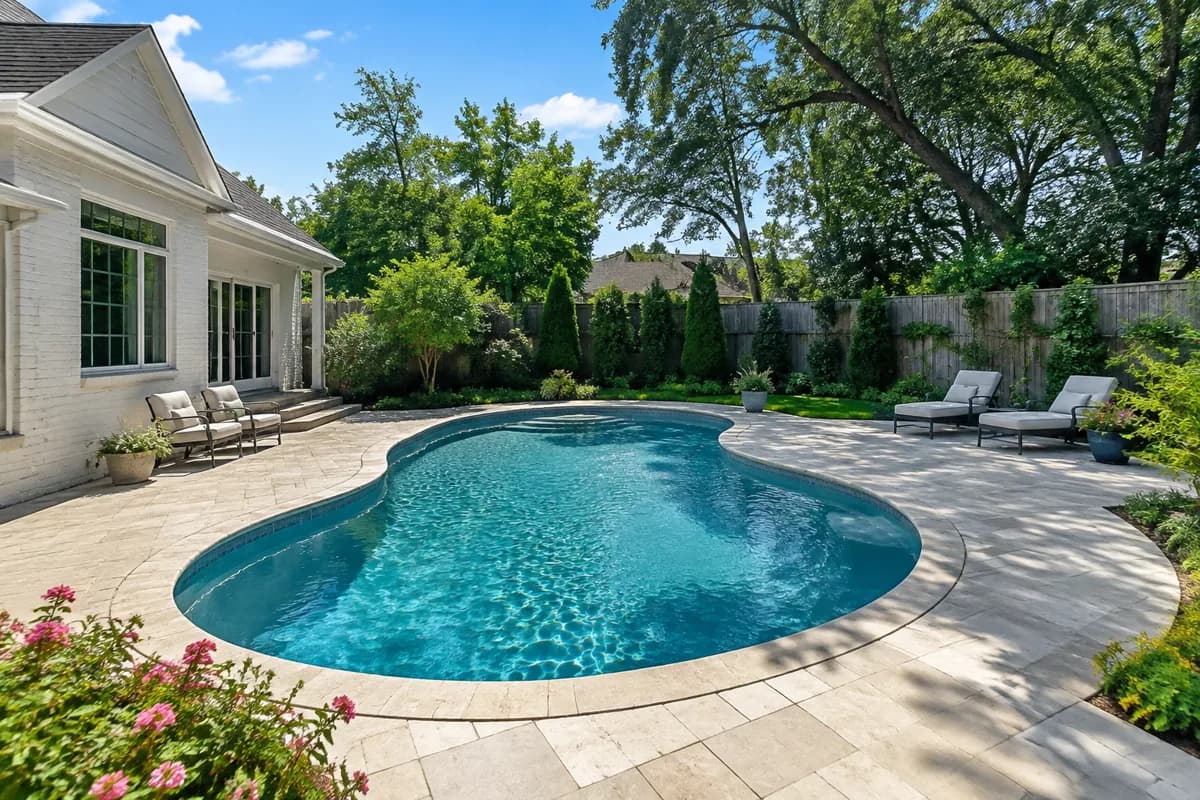
GardenGPT is an early decision layer: compare three coherent directions from one to four views of the same yard, then take the preferred brief to a measured or human workflow. It is a lower-commitment starting point, not a Yardzen-style service package or construction document.
2. Neighborbrite
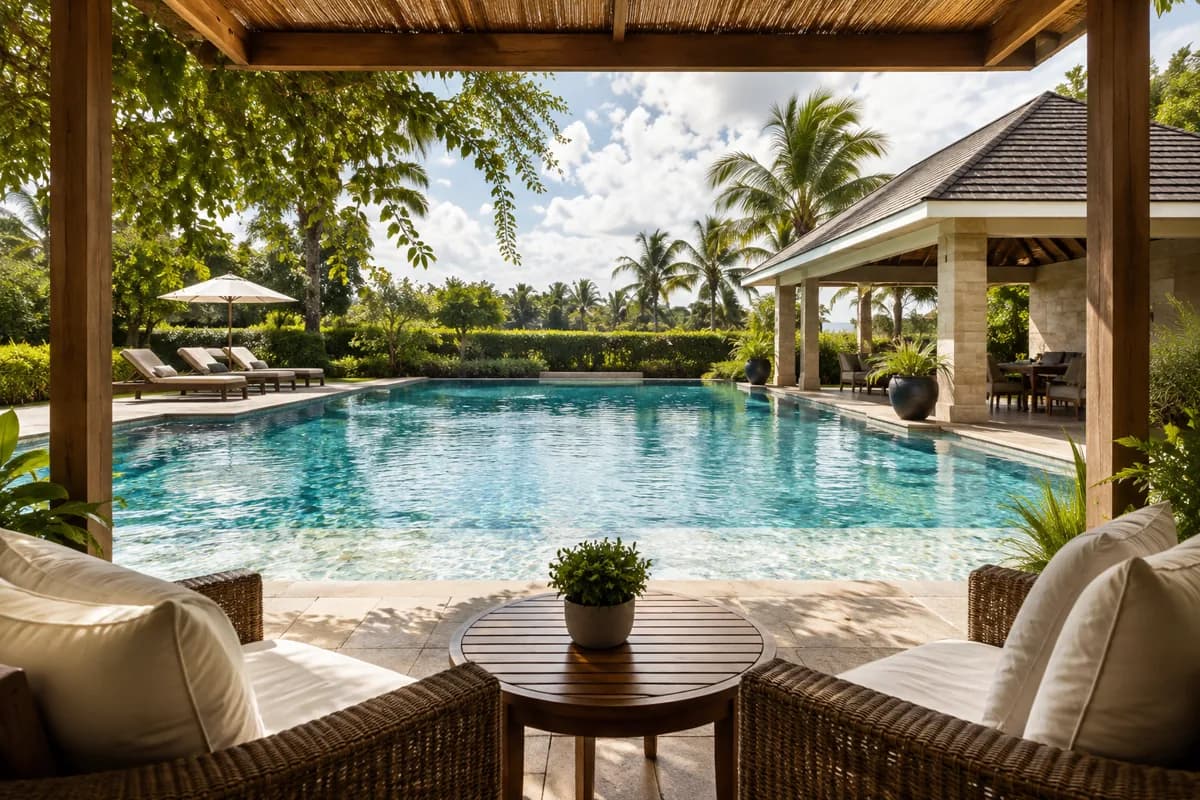
Neighborbrite keeps the self-serve entry lightweight and is useful for browsing broad style possibilities. It is a weaker substitute when you need a person to reconcile constraints, revisions, quantities, or a handoff.
3. OutdoorBrite
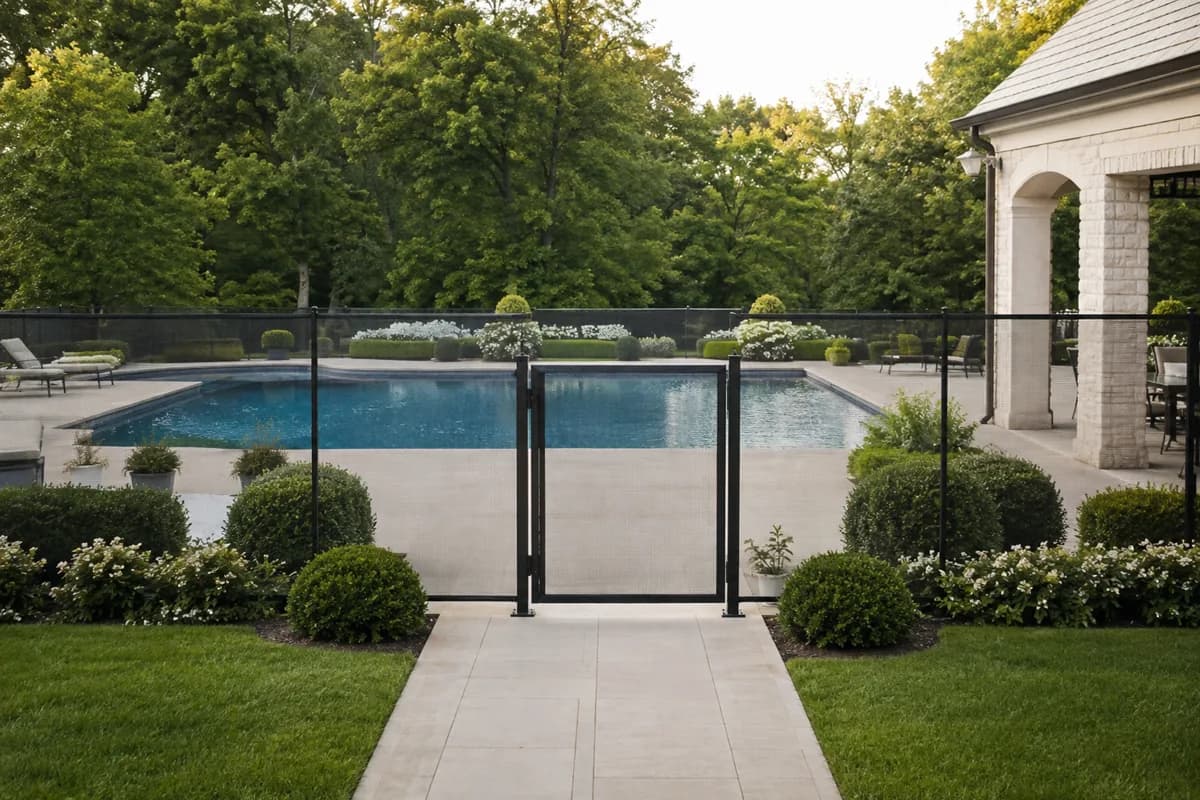
OutdoorBrite targets fast photo concepts and a more productized self-serve experience. Consider it when the immediate decision is visual direction; confirm current editing, plant, export, and pricing terms before comparing it with a service package.
4. Planner 5D
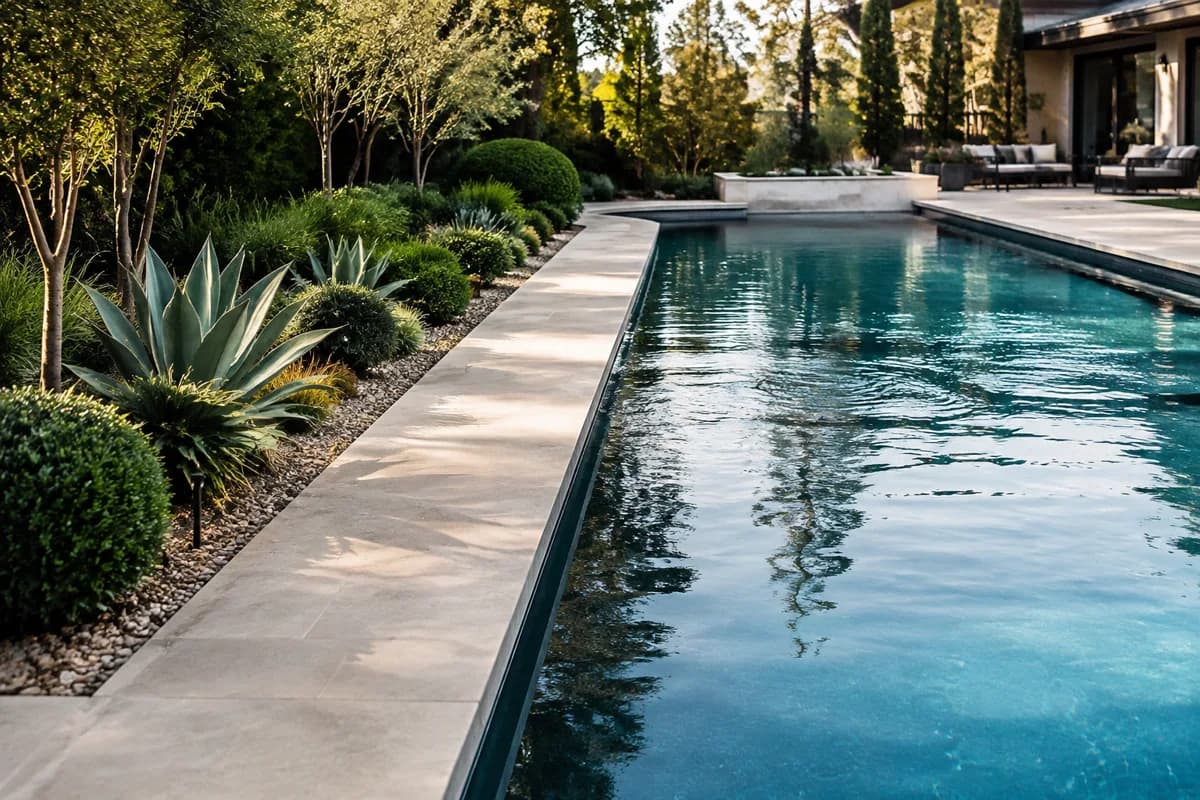
Planner 5D gives the homeowner more direct control over dimensions, rooms, furniture, and 2D/3D layout. It lowers service cost but moves measurement, modeling, and design labor back to you.
5. A local landscape designer
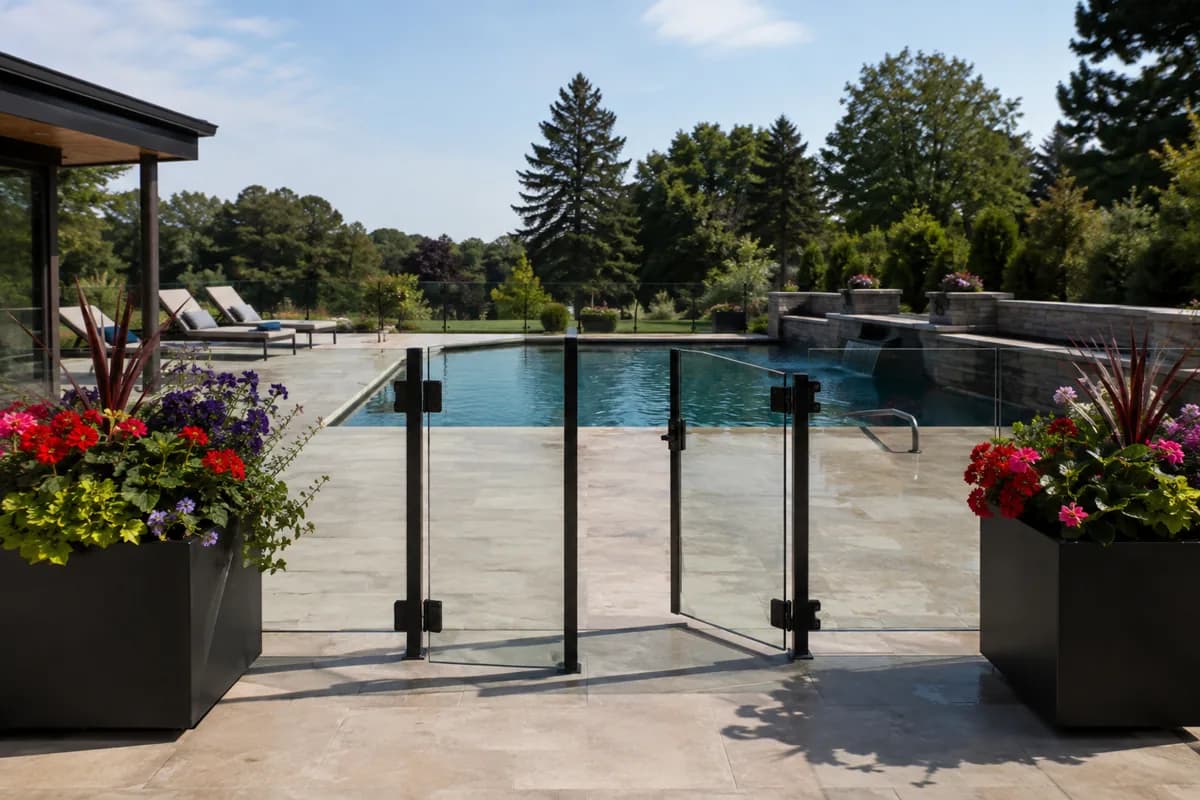
A local designer can respond to site access, drainage, soil, code, climate, and contractor relationships that an online package may not fully own. The trade-off is scheduling, local pricing, and the need to compare scopes carefully.
When to keep the original—and when GardenGPT fits
Yardzen
Stay with Yardzen when you want a human-led, packaged process and the scope, budget, and timeline are acceptable. A service is the right product when you want someone else to reconcile the brief and deliver a coherent handoff.
GardenGPT
Choose GardenGPT when you want to clarify your preferences before paying for a full service. It can turn a vague brief into three visual directions on the actual yard, but a human or technical professional still owns site-specific design and construction responsibility.
A fair same-yard comparison
- Use the same daylight photos, including the house, fence, doors, mature trees, utilities, and problem area.
- Give every tool one brief and one keep-list; do not compare a generic sample image with a real yard.
- Record speed, edits, saving, export, platform, price, and the next usable deliverable.
- Reject any result that moves fixed architecture, blocks access, or pretends to prove dimensions or permits.
Sources and review date
Reviewed September 9, 2026. Source names are shown as plain text; pricing, limits, platforms, and product scope can change.
- Yardzen public process and package information
- Neighborbrite public product information
- OutdoorBrite public product information
- Planner 5D landscape workflow
- Local landscape design service comparison pages
Frequently asked questions
Is GardenGPT a direct replacement for Yardzen?
No. Yardzen and GardenGPT support different workflow depths. GardenGPT clarifies the brief on the real yard before detailed or human-led planning.
Which Yardzen alternative is fastest?
Self-serve photo AI is usually fastest for visual direction. Manual layout, technical software, and human services take longer because they solve different jobs.
Which option costs less than Yardzen?
Compare the current checkout price and what one useful project includes. A lower sticker price is not cheaper if editing, exports, or the needed deliverable requires another tier.
Can I build directly from an AI landscape image?
No. Recreate the selected direction from measurements and verify drainage, plants, utilities, structures, safety, and permits.
How should I compare these tools fairly?
Use the same clear yard photos, one keep-list, one design brief, and one output checklist. Separate visual quality from measured or professional deliverables.
When should I stay with Yardzen?
Stay with Yardzen when you want a human-led package and can accept its scope, price, and timeline.
Choose GardenGPT when you want to clarify your preferences before paying for a full service. It can turn a vague brief into three visual directions on the actual yard, but a human or technical professional still owns site-specific design and construction responsibility.